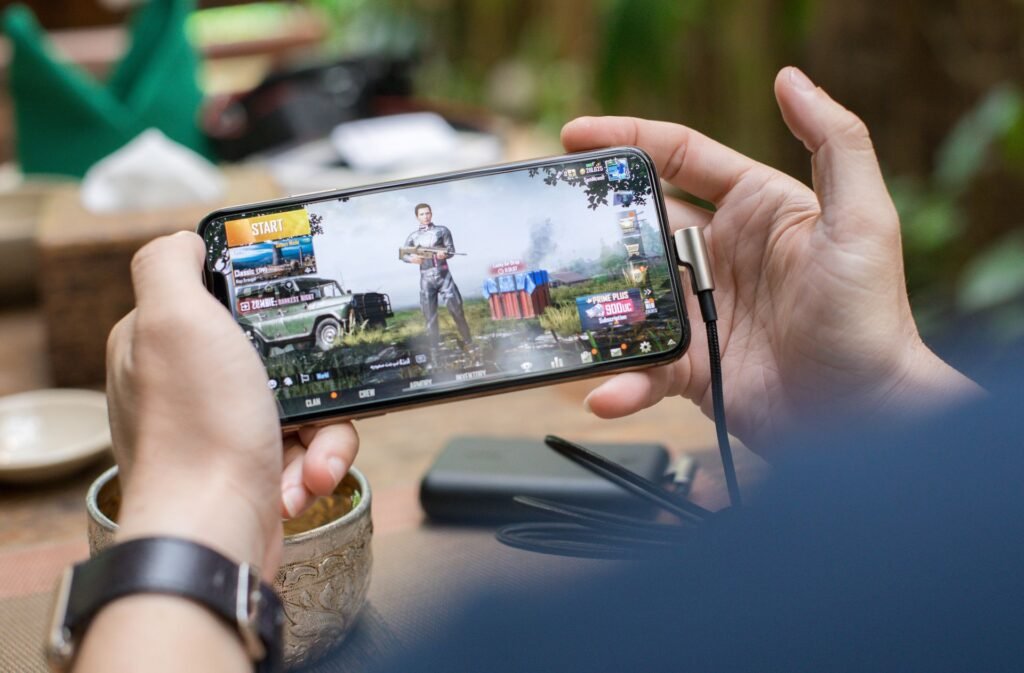
Two years ago, spending $400 on a phone meant accepting real compromises on gaming performance. You got a decent processor that throttled after twenty minutes, a 90Hz display when games you cared about needed 120Hz, and a battery that demanded you choose between a full gaming session and arriving home with charge to spare.
That tradeoff has dissolved. The $400 smartphone market in 2026 carries chipsets that were sitting inside flagship phones twelve months ago, 120Hz AMOLED panels, and batteries large enough to survive extended gaming sessions without anxiety. The gap between what a $400 phone and a $900 phone can do in PUBG Mobile or Genshin Impact has narrowed to the point where most players genuinely cannot tell the difference in gameplay.
Here are the best gaming phones under $400 in 2026 — with real specs, honest gaming performance notes, and a clear recommendation for each type of player.
What to Look for in a Gaming Phone Under $400
Most reviews lead with spec tables. This one starts with what actually matters in practice, because the phones that look best on paper aren’t always the ones that play best in extended sessions.
Chipset and sustained performance — A processor that benchmarks well but throttles under sustained load is the most common trap in budget gaming phones. What matters is how the chip performs in minute 40 of a Genshin Impact session, not minute one.
Display refresh rate — 120Hz is the minimum for smooth gameplay in 2026. 144Hz is available in this price range and makes a real difference in fast-paced titles. 90Hz is acceptable for casual games but noticeable in competitive shooters.
Thermal management — How your phone handles heat determines whether gaming sessions stay smooth or degrade over time. A phone with good cooling maintains performance. A phone with poor cooling throttles, and you’ll feel it in the frame drops.
Battery capacity and charging speed — A minimum of 5000mAh for gaming. Fast charging (67W or above) means you can top up quickly between sessions. Avoid charging while gaming — it generates additional heat that accelerates throttling.
RAM — 8GB is the functional minimum for gaming in 2026. 12GB is noticeably more comfortable in demanding titles and when multitasking.
The Best Gaming Phones Under $400 in 2026
Best Overall — POCO X7 Pro (~$320-350)
Chipset: MediaTek Dimensity 8400 Ultra | Display: 6.67-inch AMOLED 144Hz | RAM: Up to 12GB | Battery: 6000mAh / 90W charging
The POCO X7 Pro is the most straightforward recommendation on this list for anyone who wants maximum gaming performance per dollar. The Dimensity 8400 Ultra — built on TSMC’s 4nm process with an All-Big-Core CPU architecture — posted AnTuTu scores above 1.9 million in multiple independent tests. That’s a benchmark figure that belongs in the same conversation as 2024 flagships, not a phone selling for $320.
In real gaming sessions, running Genshin Impact, PUBG Mobile, and Honkai: Star Rail back to back for ninety minutes, the device maintained high settings with steady frame delivery throughout — warming to comfortably warm but never reaching the uncomfortable temperatures that cheaper chipsets hit under comparable load.
The 6000mAh battery with 90W charging is exceptional value at this price. A full charge takes under 45 minutes, which means topping up between gaming sessions doesn’t require planning your day around it.
The honest trade-offs: HyperOS 2 ships with pre-installed apps (bloatware) that require cleaning up on first use. The camera system is adequate but not remarkable — if photography matters as much as gaming, the Nothing Phone 3a below has a better camera at a similar price. Availability varies by region — check whether it ships to yours before counting on it.
Best for: Budget-conscious competitive gamers who want maximum FPS in PUBG Mobile and COD Mobile without compromising on screen quality or battery life.
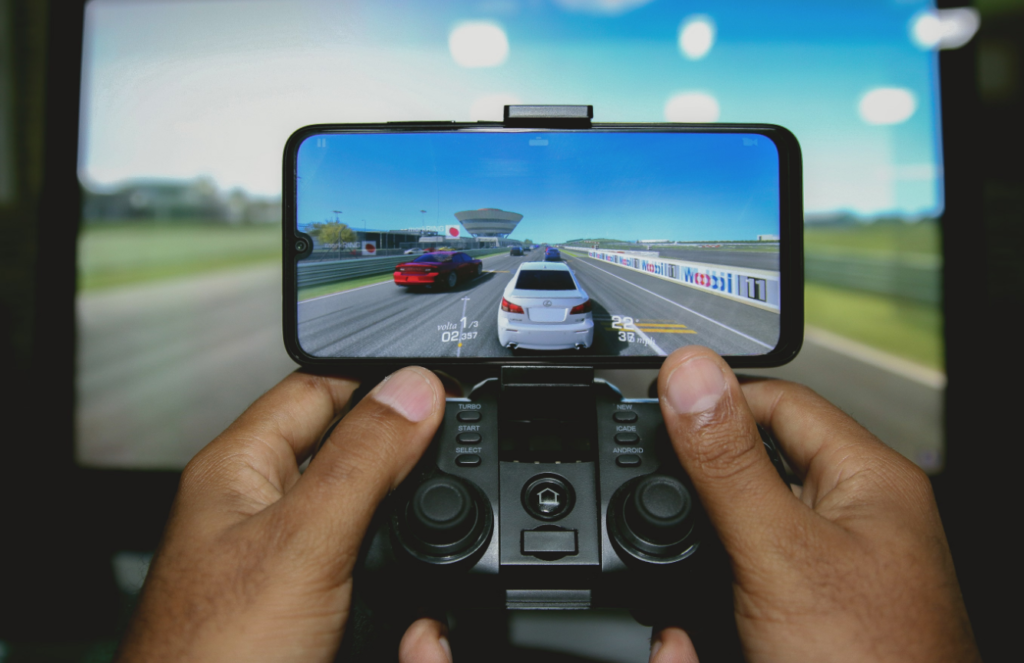
Best All-Rounder — Nothing Phone 3a (~$329)
Chipset: Snapdragon 7s Gen 3 | Display: 6.77-inch AMOLED 120Hz | RAM: 8GB | Battery: 5000mAh / 50W charging
Nothing has built a consistent identity around the idea that mid-range phones don’t have to look or feel mid-range. The Nothing Phone 3a carries that further than any of its predecessors — and it’s the most well-rounded phone on this list for people who use their phone for more than gaming.
The transparent rear panel with Glyph interface — an array of LEDs that flash in custom patterns per contact or notification — either resonates immediately or does nothing for you. After spending time with this phone, the Glyph is more practical than it is theatrical: assigning distinct patterns for different contacts reduces the time spent checking the screen in a way that quickly becomes habit.
Nothing OS 3.1, based on Android 15, runs with minimal bloatware and animations that feel precise rather than padded. The clean software experience translates to consistent frame delivery in gaming — less background interference means fewer unexpected dips.
Gaming performance from the Snapdragon 7s Gen 3 is solid across the board. PUBG Mobile and COD Mobile run comfortably on high settings with stable frame rates. Genshin Impact runs well on medium-high settings with occasional dips in the most demanding areas — not unusual for this chip tier and acceptable given the price.
The camera system is the 3a’s most competitive specification relative to its price: a 50MP main sensor with OIS, 8MP ultrawide, and a 50MP 2x telephoto lens. If you want a gaming phone that doubles as a capable camera phone, the Nothing Phone 3a is the pick on this list.
Best for: Players who want a balanced gaming and daily-use phone with a distinctive design and clean software experience.
Best Samsung Option — Samsung Galaxy A56 (~$399)
Chipset: Exynos 1580 | Display: 6.7-inch AMOLED 120Hz | RAM: 8GB | Battery: 5000mAh / 45W charging | Software support: 6 years Android updates
Samsung’s Galaxy A56 sits at the top of the under-$400 budget range and justifies the price with something no other phone on this list offers: six years of guaranteed Android software updates.
For gaming, the Exynos 1580 handles popular titles comfortably — PUBG Mobile, COD Mobile, Brawl Stars, and most casual games run well at high settings with stable frame rates. Genshin Impact on medium-high settings is smooth, which matches what the A36 delivered and represents a solid step up from budget alternatives.
Samsung’s bypass charging via compatible PD adapters prevents battery degradation during long gaming sessions — a practical feature for anyone who games plugged in regularly. One UI 7 is Samsung’s most refined software version, and the ecosystem integration for users already in Samsung’s world (Galaxy Watch, Galaxy Buds, Samsung TV) is genuinely seamless.
The trade-offs at $399: the Exynos 1580 delivers less raw gaming performance than the Dimensity 8400 Ultra in the POCO X7 Pro at $320-350. You’re paying the Samsung premium for software longevity, brand reliability, and ecosystem benefits. Those are real advantages — but if pure gaming performance per dollar is the priority, the POCO X7 Pro delivers more of it for less money.
Best for: Samsung ecosystem users who want a reliable, long-supported gaming phone with consistent updates and brand confidence.
Best for Dedicated Gamers — RedMagic Budget Variant (~$369)
Chipset: Snapdragon 8 Gen 2 | Display: 6.8-inch AMOLED 144Hz | RAM: 12GB | Battery: 6000mAh | Unique: Built-in active cooling fan, physical gaming triggers
With Asus having stepped back from the gaming phone market, RedMagic has no serious competition in the dedicated gaming phone category. The RedMagic budget variant includes hardware features that no other phone under $400 offers: physical shoulder triggers for games that support them, and a built-in active cooling fan that keeps the processor running at sustained speeds during extended sessions.
The difference the built-in fan makes during long gaming sessions is real and documented. While other phones on this list warm up and begin throttling during extended Genshin Impact play, the RedMagic maintains sustained performance because the active cooling keeps the chip below its throttling threshold.
The Snapdragon 8 Gen 2 is last generation (Gen 3 exists), but it remains a genuinely capable gaming chip in 2026. POCO F7 Pro dominated performance tests with locked 90FPS throughout in PUBG Mobile — the RedMagic budget variant performs in the same tier.
The trade-offs are real: the camera system is basic, battery efficiency is lower than the POCO X7 Pro despite similar capacity, and it’s a phone built specifically for gaming that doesn’t prioritize anything else. If you live and breathe mobile gaming, the active cooling fan and gaming triggers give a genuine competitive edge. If you occasionally play games on a phone you also use for everything else, the Nothing Phone 3a or POCO X7 Pro is a better fit for your actual usage.
Best for: Hardcore competitive mobile gamers who want every hardware advantage available under $400 and don’t need a great camera.
Best Value Runner-Up — OnePlus Nord 5 (~$349)
Chipset: Snapdragon 7s Gen 3 | Display: 6.78-inch AMOLED 120Hz | RAM: 12GB | Battery: 5500mAh / 80W charging | Software: OxygenOS 15
Multiple sources rate the OnePlus Nord 5 as the best overall gaming phone under $400 in 2026, and the case is solid. The 80W fast charging is the fastest on this list — from 0 to 100% in roughly 35 minutes. The 5500mAh battery provides all-day stamina. OxygenOS 15 runs clean and fast with minimal bloatware.
Gaming performance from the Snapdragon 7s Gen 3 matches the Nothing Phone 3a — solid across PUBG Mobile, COD Mobile, and most competitive titles, with occasional frame dips in the heaviest scenes of Genshin Impact on high settings. The thermal management is well-tuned, with gaming sessions staying comfortable even after extended play.
Where the Nord 5 edges ahead of the Nothing Phone 3a is charging speed and battery capacity. Where the 3a edges ahead is the camera system and distinctive design. Both are excellent — your choice between them comes down to whether you prioritize charging speed or camera quality as the deciding factor.
Best for: Players who want a reliable all-rounder with fast charging and clean software, from a brand with strong after-sales support.
Quick Comparison — Which Gaming Phone for Which Player
| Phone | Price | Chipset | Display | Best For |
|---|---|---|---|---|
| POCO X7 Pro | ~$320-350 | Dimensity 8400 Ultra | 144Hz AMOLED | Best raw performance per dollar |
| Nothing Phone 3a | ~$329 | Snapdragon 7s Gen 3 | 120Hz AMOLED | Best camera + gaming balance |
| Samsung Galaxy A56 | ~$399 | Exynos 1580 | 120Hz AMOLED | Best software longevity, ecosystem |
| RedMagic Budget | ~$369 | Snapdragon 8 Gen 2 | 144Hz AMOLED | Best for dedicated gamers |
| OnePlus Nord 5 | ~$349 | Snapdragon 7s Gen 3 | 120Hz AMOLED | Best charging speed + clean software |
The Specs That Actually Matter for Gaming — And The Ones That Don’t
Pay attention to:
Sustained performance under load — Not peak benchmark scores. How does the phone perform in minute 45 of Genshin Impact? This is what separates phones with good thermal management from those that throttle.
Refresh rate — 120Hz minimum for competitive gaming. 144Hz makes a real difference in fast-paced titles. If a phone in 2026 is still selling on 90Hz, that’s a red flag at this price point.
RAM — 8GB is functional. 12GB is noticeably more comfortable when switching between apps and in memory-hungry games.
Charging speed — At this price range, anything below 45W wired charging is disappointing. 67W and above means practical top-ups between sessions.
Ignore:
Camera megapixels as a gaming spec — Camera quality matters for daily use but has zero effect on gaming performance.
5G as a standalone selling point — Most games’ lag comes from WiFi signal quality and server distance, not whether you’re on 5G or 4G.
“Gaming” branding without substance — Some phones add RGB lights and call themselves gaming phones. Look for actual gaming-relevant specs: refresh rate, RAM, thermal management, and chipset tier.
Should You Buy a Dedicated Gaming Phone or a Regular Phone That Handles Gaming?
Honest answer: for most people, a regular phone that handles gaming well is the better buy. Dedicated gaming phones like the RedMagic variants prioritize features that matter in competitive gaming — active cooling, physical triggers, high refresh rate — but sacrifice camera quality, battery efficiency, and general usability in a way that daily drivers don’t.
Unless you’re consistently playing competitive games for extended sessions and genuinely feel hardware-limited, the POCO X7 Pro, Nothing Phone 3a, or OnePlus Nord 5 are better fits for 97% of mobile gamers. They handle games well, take decent photos, and are comfortable to carry and use all day.
The RedMagic exists for the remaining 3% who want every available competitive advantage.
Final Thoughts
The best gaming phone under $400 in 2026 is genuinely impressive hardware. The POCO X7 Pro delivers Dimensity 8400 Ultra performance — a chip that competes with 2024 flagships — for $320-350. The Nothing Phone 3a balances gaming and daily use better than anything else at $329. The Samsung Galaxy A56 offers six years of software support at $399.
A year ago, none of these combinations existed at these prices. The budget gaming phone market in 2026 represents better value for money than it has at any previous point. Whatever you play and whatever you use your phone for, there’s a solid option here that doesn’t require flagship spending.
Which gaming phone are you running in 2026? Drop it in the comments — always useful for readers trying to decide.