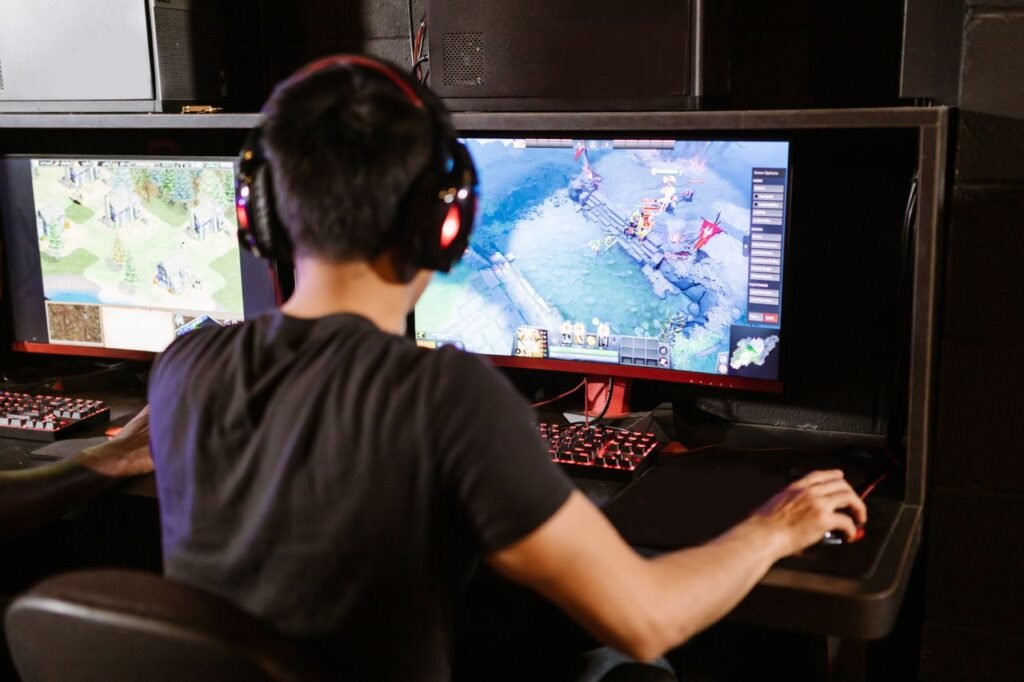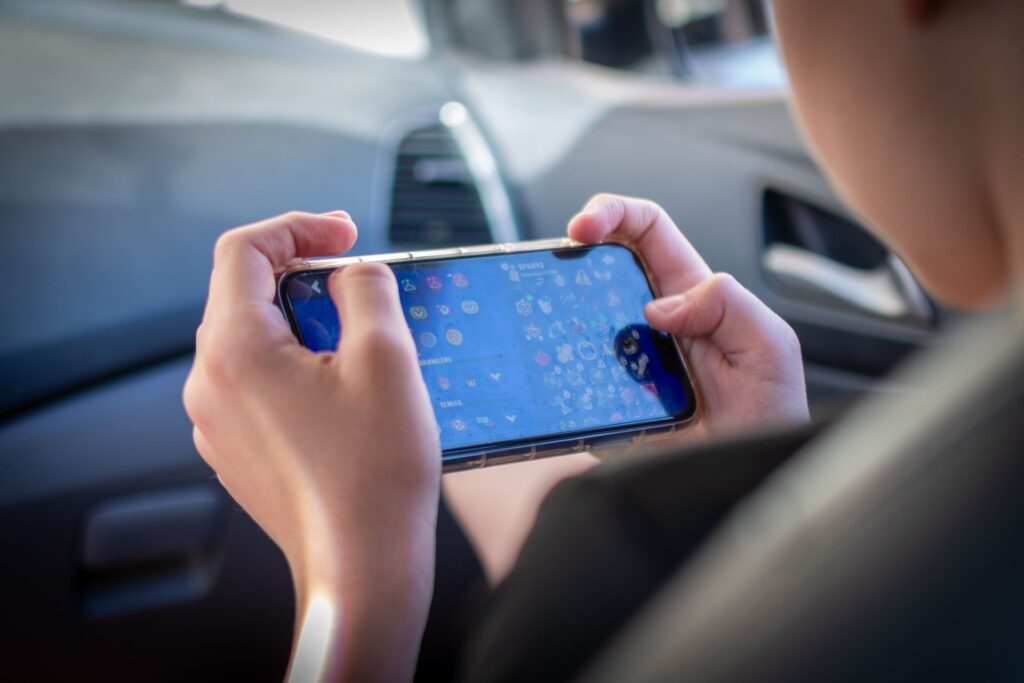
Someone is going to read this article while sitting on a free game they have been playing for two years and a paid game they bought for six dollars and never touched. That is the mobile gaming experience in 2026 — the free stuff often wins on time spent, the paid stuff often wins on quality per minute, and figuring out which model actually serves you better is genuinely complicated.
The mobile gaming market crossed three billion active players globally in 2026. The overwhelming majority of those players are on free-to-play titles. But the paid mobile game market is quietly having a good year — Balatro on mobile alone justified the conversation, and ports of games like Red Dead Redemption through Netflix Games have reminded players that premium mobile experiences exist and can be excellent.
So which model is actually better for you? Here is the honest breakdown — not a sponsored list, not a definition exercise, just a real comparison of what each model delivers and which specific games are worth your time and money in 2026.
The Real Difference Between Free and Paid Mobile Games
The obvious answer is that one costs money upfront and one does not. The less obvious answer is that the real difference is in how each model tries to extract value from you over time.
Free-to-play games make money primarily through in-app purchases, cosmetic sales, battle passes, and advertising. The best ones — and there are genuinely excellent ones — make those purchases optional without ever making you feel punished for not spending. The worst ones build their entire game balance around making the free experience just uncomfortable enough that spending becomes a relief.
Paid games make their money once, upfront. No ongoing monetization pressure. What you buy is what you get, and the developer’s incentive is to make the initial experience good enough that you tell other people to buy it. The trade-off is that paid games have smaller audiences, which means smaller communities, less ongoing content, and sometimes slower update cycles.
Neither model is inherently better. The question is which specific game, in which model, is actually worth your time.
The Red Flags That Tell You to Walk Away
Before getting into recommendations, these are the warning signs that a free game is not actually free — it is just delayed payment with psychological pressure attached.
Energy systems — A timer that limits how long you can play per session unless you spend money or wait. This mechanic exists to frustrate you into spending. Any game built around it is not free-to-play. It is free-to-start.
Pay-to-win in PvP — Spending money gives you stronger characters, better weapons, or higher stats in competitive modes. This is a dealbreaker. Any competitive game that sells gameplay advantages is not a game anymore. It is a slot machine with a character select screen.
Gacha pulls for competitive content — Spending money gives you a random chance at a powerful character who is essential to competitive play at higher levels. Genshin Impact’s gacha is cosmetic-adjacent and optional. Some games make gacha characters mandatory for progression. Know the difference before you invest time.
Artificial difficulty spikes — The game is comfortably beatable until level 20, then suddenly requires either hours of grinding or a purchase to continue. This is deliberate design to convert free players into paying ones at the exact moment frustration peaks.
If a game you are playing hits two or more of these, stop playing. Your time is the actual currency they are collecting.

Free Mobile Games That Are Actually Fair in 2026
These are free games that pass the test — cosmetic-only or genuinely optional monetization, full competitive access without spending, and enough content to justify the time investment.
League of Legends: Wild Rift came out on top in independent testing of 35 free mobile games in 2026, rated highest for monetization fairness. Every champion is earnable through gameplay. Skins are purely cosmetic. The MOBA gameplay is the same quality you get on PC, compressed into shorter matches that fit mobile sessions. If you want competitive depth and a fair economic model, Wild Rift is the benchmark.
Marvel Snap delivers fast, strategic card battles in two to three minute matches. Every card is obtainable through normal play. The monetization is cosmetic — card variants that look different but play identically. It respects your time in a way card games rarely do, and the seasonal content keeps the meta evolving without requiring constant spending to stay competitive.
Brawl Stars finished third in the same independent comparison for overall quality. One hundred-plus brawlers, multiple modes, a ranked ladder, and matches short enough to fit any schedule. New brawlers are earnable through gameplay. Supercell’s approach — never making the free experience miserable, never selling competitive advantages — remains the model other developers should be following.
PUBG Mobile continues to offer full battle royale gameplay without competitive advantages behind a paywall. The UC currency and premium passes exist for cosmetics and convenience, not power. Three billion downloads across the game’s lifetime, and the core experience remains free in every meaningful sense.
Fortnite is worth noting specifically because of what happened in 2026: Save the World went free-to-play in April 2026, expanding the free tier significantly. The mobile version is available on Android directly from Epic’s installer and covers Battle Royale, Zero Build, LEGO Fortnite, and seasonal events. Cross-platform progression with console and PC means everything you earn carries across.
Paid Mobile Games Worth Buying in 2026
The paid mobile market in 2026 runs mostly on two types of games: ports of PC or console classics, and indie hits that found a strong mobile audience. Both categories have genuine standouts.
Balatro at around $6.99 is the easiest recommendation on this list. A poker-based roguelike where the rules gradually break down into something completely unrecognizable and deeply satisfying. No ads. No in-app purchases. No energy timers. Buy it once, play it indefinitely. The mobile port is excellent — touchscreen controls feel natural, run lengths fit mobile sessions, and the roguelike structure means every attempt is different. If you buy one paid mobile game in 2026, buy this.
Minecraft at around $7.99 to $9.99 depending on platform remains one of the most cost-efficient game purchases available anywhere. The mobile version is the full Bedrock edition — cross-play with PC and console users, full marketplace access, the same servers as other platforms. The absence of any monetization beyond the initial purchase for a game with essentially infinite replayability makes this one of the clearest value propositions in gaming.
Dead Cells at around $8.99 delivers combat that feels more polished and responsive than most mobile games manage to achieve. Roguelike structure, excellent progression, and zero monetization beyond the purchase. Android Authority called it a standout for 2026 specifically because the mobile port executes the genre correctly, which is rare.
Bloons TD 6 at around $4.99 is the tower defence recommendation — polished, content-rich, and still receiving regular updates. One of those games that looks simple until you discover how much strategy is hiding underneath the cheerful visual presentation.
Stardew Valley at around $4.99 remains one of the most-recommended premium mobile games year after year because it never needed a mobile version and the mobile version is excellent anyway. Full game, no compromises, no additional cost after the initial purchase.
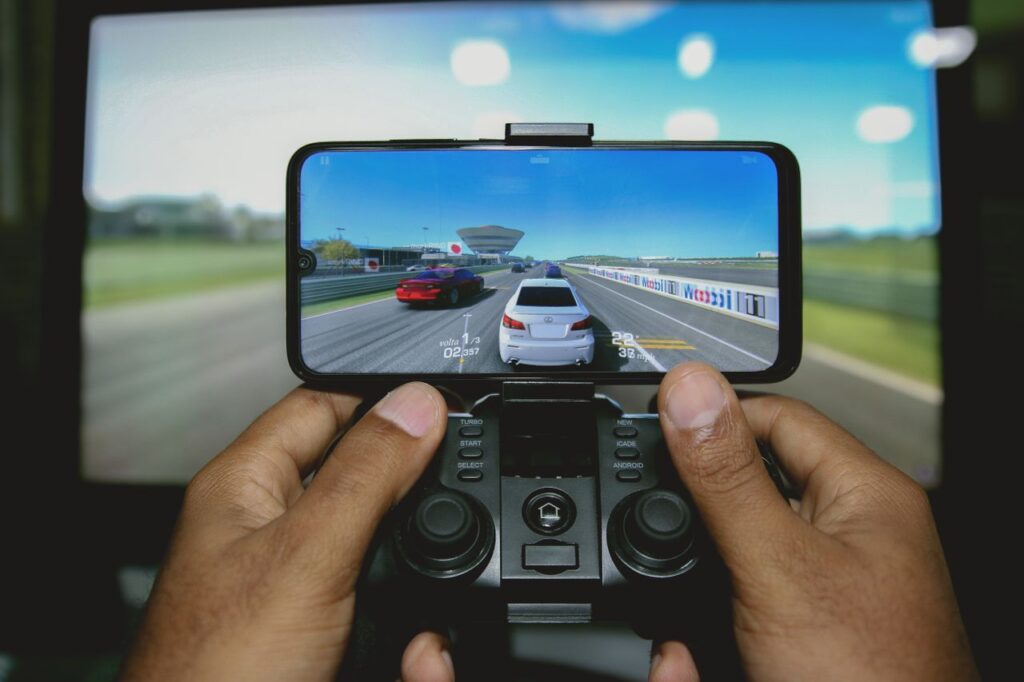
When Free Wins Over Paid
Free-to-play is the better choice in three specific situations.
When you want live service content — Free games update constantly. New seasons, new characters, new events, new maps. A paid mobile game that launched in 2023 might still be excellent, but it is probably not getting weekly content drops. If ongoing fresh content is what keeps you engaged, the live service free-to-play model delivers it in a way paid games simply cannot sustain.
When community size matters — Competitive games need players. Wild Rift, PUBG Mobile, Brawl Stars, and COD Mobile have massive active communities because they are free to download. A paid competitive game with a smaller playerbase means longer queue times, less competitive depth, and a smaller social layer around the game.
When you want to try before committing time — Free games have no barrier to entry. Download, play for an hour, decide if you like it, keep playing or delete it. Paid games require a purchasing decision before you know if the game suits you. Most have refund windows, but the friction is higher. For trying new genres or unfamiliar game types, free-to-play is the better testing ground.
When Paid Wins Over Free
When you want a complete experience without pressure — Every paid game on this list gives you the full experience the moment you purchase it. No currency to earn, no battle pass to track, no limited-time event you might miss, no pressure of any kind. Open the game, play it, close it. The experience is exactly the same the next time. That absence of psychological pressure is worth something real for players who find live service monetization exhausting.
When you play shorter, less frequent sessions — Live service games reward consistent daily engagement. Log in, claim your daily reward, complete your daily missions, spend your earned currency. If you miss days, you fall behind on limited content. Paid games do not care when you play or how often. They are patient in a way free games are structurally unable to be.
When you want to own what you paid for — Free-to-play games can shut down servers, remove content, or change their monetization model at any time. The time you invested and any money you spent on cosmetics can disappear overnight. A paid game sitting on your device is yours. It runs whether the developer is still operational or not, and nothing in it expires.
The Honest Comparison
| Free-to-Play | Paid | |
|---|---|---|
| Upfront cost | None | $3-$10 typically |
| Ongoing cost | Optional but present | None |
| Content updates | Frequent, ongoing | Variable |
| Community size | Large | Smaller |
| Monetization pressure | Present in most | None |
| Ownership | Limited | Full |
| Best examples (2026) | Wild Rift, Brawl Stars, PUBG Mobile | Balatro, Minecraft, Dead Cells |
The Verdict
Neither model wins outright in 2026. The answer depends entirely on what you want from a mobile game.
If you want competitive multiplayer with a large community, regular content updates, and no upfront cost — the best free-to-play games are genuinely excellent and genuinely fair. Wild Rift, Brawl Stars, and PUBG Mobile are not compromises. They are good games that happen to be free.
If you want a complete, pressure-free experience that you own permanently and can pick up or put down without consequence — paid games deliver that. Balatro at $6.99 and Minecraft at $7.99 offer better value per hour than almost anything else available in mobile gaming regardless of price.
The mistake is treating this as a binary choice. Download the free games that suit your competitive interests. Buy the paid games that suit your single-player or creative ones. Your phone has room for both, and the best mobile gaming setup in 2026 involves both models.
And if you are still weighing mobile against console altogether, our platform comparison covers which suits your lifestyle better.
Which free mobile game do you think has the fairest monetization model right now? And which paid game has been worth every penny? Drop it in the comments.